October 19, 2026
Hardscaping is an integral part of landscape design that involves the use of hard materials in the creation of structures for outdoor spaces. Unlike softscaping, which includes flora like plants and trees, hardscaping comprises non-living elements like stone, concrete, and wood. When strategically implemented, hardscaping can significantly enhance the aesthetic appeal of a property and increase its market value. Here, we will delve into the different types of hardscaping elements and their benefits. We will examine not just their contribution to property value but also their role in enhancing curb appeal. By understanding and utilizing these design elements, homeowners can maximize their outdoor spaces both aesthetically and financially.
Understanding Hardscaping
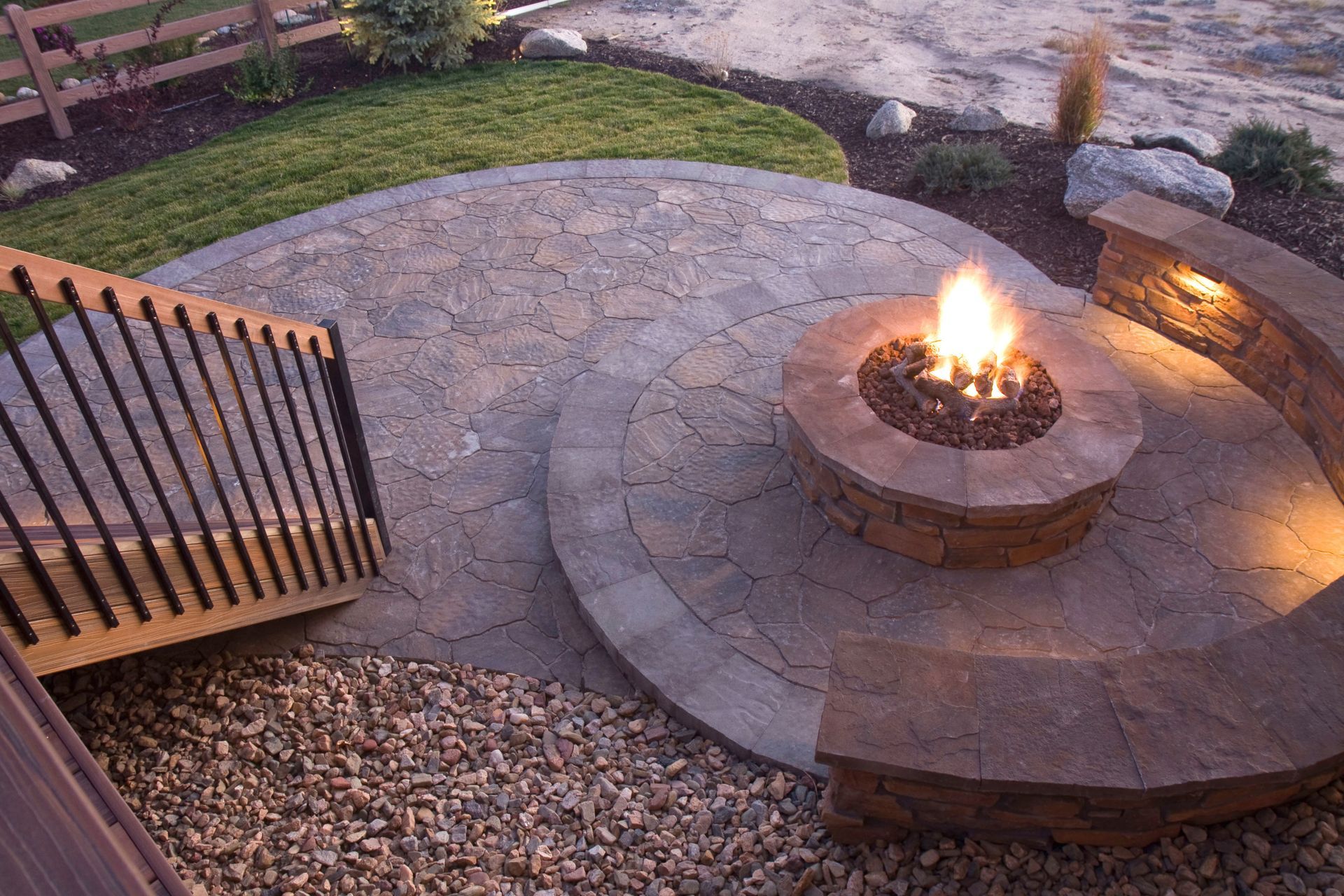
Hardscaping refers to the hard features incorporated into a landscape. It includes walkways, patios, decks, retaining walls, outdoor kitchens, fire features, and water features. These elements are designed to create functional outdoor living spaces that complement the softscaping aspects, such as plants and trees.
The scope of hardscaping services extends beyond mere aesthetic enhancement; it also offers practical benefits. Hardscaping can help manage water drainage on a property and prevent soil erosion. By creating structured areas, such as patios and decks, it offers more livable space outdoors and provides solutions for areas where growing plants might be challenging.
According to WifiTalents, 40% of homeowners incorporate hardscaping to effectively create outdoor living spaces. These spaces are not only visually appealing but also add immense value by increasing the usable square footage of a property. Therefore, understanding hardscaping is crucial for any homeowner looking to enhance their landscape.
Hardscaping and softscaping are two sides of the same coin, each with a unique role in landscape design. While softscaping focuses on the organic, living aspects of a yard, hardscaping deals with non-living materials that provide structure and ease of access. Together, they create a balanced and harmonious outdoor environment.
Softscaping involves the aesthetic organization of plants, flowers, and lawn areas to add visual texture and color. In contrast, hardscaping comprises the functional aspects like patios, stone paths, and walls. By combining both, a well-designed landscape can achieve both beauty and function, while also catering to individual homeowner needs.
Both softscaping and hardscaping must work in tandem to ensure that neither overwhelms the other. For instance, a lush garden complemented by a stone pathway or a courtyard framed with plant beds strikes a balanced appeal. This balance is essential for maintaining an aesthetically pleasing environment that is sustainable and easy to maintain.
The primary role of hardscaping within the broader sphere of landscaping is to provide structure, form, and operational functionality. Hardscape elements offer tangible surfaces and borders that guide movement and define spaces within a landscape. By installing features like walkways, retaining walls, and patios, homeowners can craft an infrastructure that enables seamless transition between indoor and outdoor environments.
In addition, hardscaping contributes to the creation of zones within a yard or garden. This zoning allows for differentiated areas, such as an outdoor dining space, a lounging area, or a garden nook, each with its unique purpose. By defining these areas using distinct hardscaping materials like pavers, stone, or decking, homeowners can personalize their outdoor spaces while maintaining a coherent design language.
Choosing the Right Hardscaping Features
Before initiating a hardscaping project, it is important to assess your property's specific needs and characteristics. Evaluate the natural landscape—the slope, drainage patterns, and existing vegetation— and how it interacts with potential hardscaping additions. Understanding these elements lays the foundation for an effective hardscape design that enhances property value instead of detracting from it.
Homeowners should consider the functionality of the areas they wish to develop. Are you looking to expand your outdoor entertainment space, improve drainage, or enhance the aesthetic appeal of a particular spot? By pinpointing your objectives, you can decide on the most appropriate hardscape elements tailored to meet those needs.
Additionally, knowing the limitations and potential of your property is crucial. For example, a small yard may not support large installations, whereas properties with elevation changes could benefit from terraced designs. Carefully evaluating these aspects helps ensure that each addition complements overall design intentions, leading to a more cohesive and efficiently functioning property.
Setting a realistic budget is a vital step in any hardscaping project. Given the myriad of materials and design styles available, costs can vary widely based on choices and project scope. To prevent overspending, homeowners should prioritize their needs and map out a budget aligned with their financial comfort while allowing for any unforeseen expenses.
While budgeting, it’s essential to include not just the cost of materials but also labor and ongoing maintenance expenses. Hiring professionals for installation may incur higher initial costs but ensures that the project is completed correctly and efficiently—preventing costly repairs or modifications in the future.
Many homeowners find that incremental improvements offer a manageable way to optimize a landscape over time. Prioritizing areas that deliver the most value, such as patios or outdoor kitchens, and phasing in other elements gradually, helps manage both budget constraints and evolving property needs. This approach allows you to flexibly adapt and update your landscape as circumstances change.
When choosing hardscaping services and features, maintaining style and design cohesion with existing home architecture and landscape is essential. The introduction of hardscape elements should amplify the overall aesthetic of the residence instead of clashing or introducing dissonance. Thoughtful design seeks harmony between the constructed and organic, producing a seamless integration into the existing environment.
Coordinating with the home's architectural style, whether modern, coastal, colonial, or another style, influences the choice of materials and design. For example, sleek lines and minimalist features match contemporary settings, while rustic materials and earthy tones may be more suitable for traditional or country-style homes.
Enhancing Property Value With Hardscaping Elements
Patios and decks are popular hardscaping elements that provide outdoor living space for relaxation and social gatherings. They extend the living area of a home, creating seamless indoor-outdoor transition spaces. When designed with aesthetic appeal and functionality, patios and decks maximize property enjoyment and increase its marketability.
Patios, often made of concrete, paver stones, or tiles, offer versatile design options that can adapt to various architectural styles. Decks, typically constructed with wood or composite materials, provide elevated views of the surrounding landscape and are ideal for sloped or uneven terrain.
Installation of a well-constructed patio or deck enhances buyer interest and perceived property value, while offering ongoing satisfaction to homeowners. These features accommodate various activities such as grilling, dining, or lounging, making them integral assets in establishing desirable outdoor spaces.
Walkways and pathways are more than mere access routes; they guide movement, establish circulation patterns, and inject character into a landscape. Thoughtfully designed paths can invite exploration of a property, leading guests through landscaped gardens, picturesque views, or tucked-away corners.
Materials like bricks, cobblestones, and flagstone offer durable and visually appealing options for walkways. By using curves, changes in material, or inserting stepping stones, paths break monotony and enhance visual interest throughout the landscape.
Well-planned walkways improve accessibility and increase curb appeal, making a positive impression on prospective buyers or visitors. Their utility, combined with aesthetic contributions, confirms these features as vital components in landscape design, enhancing both daily experience and long-term property value.
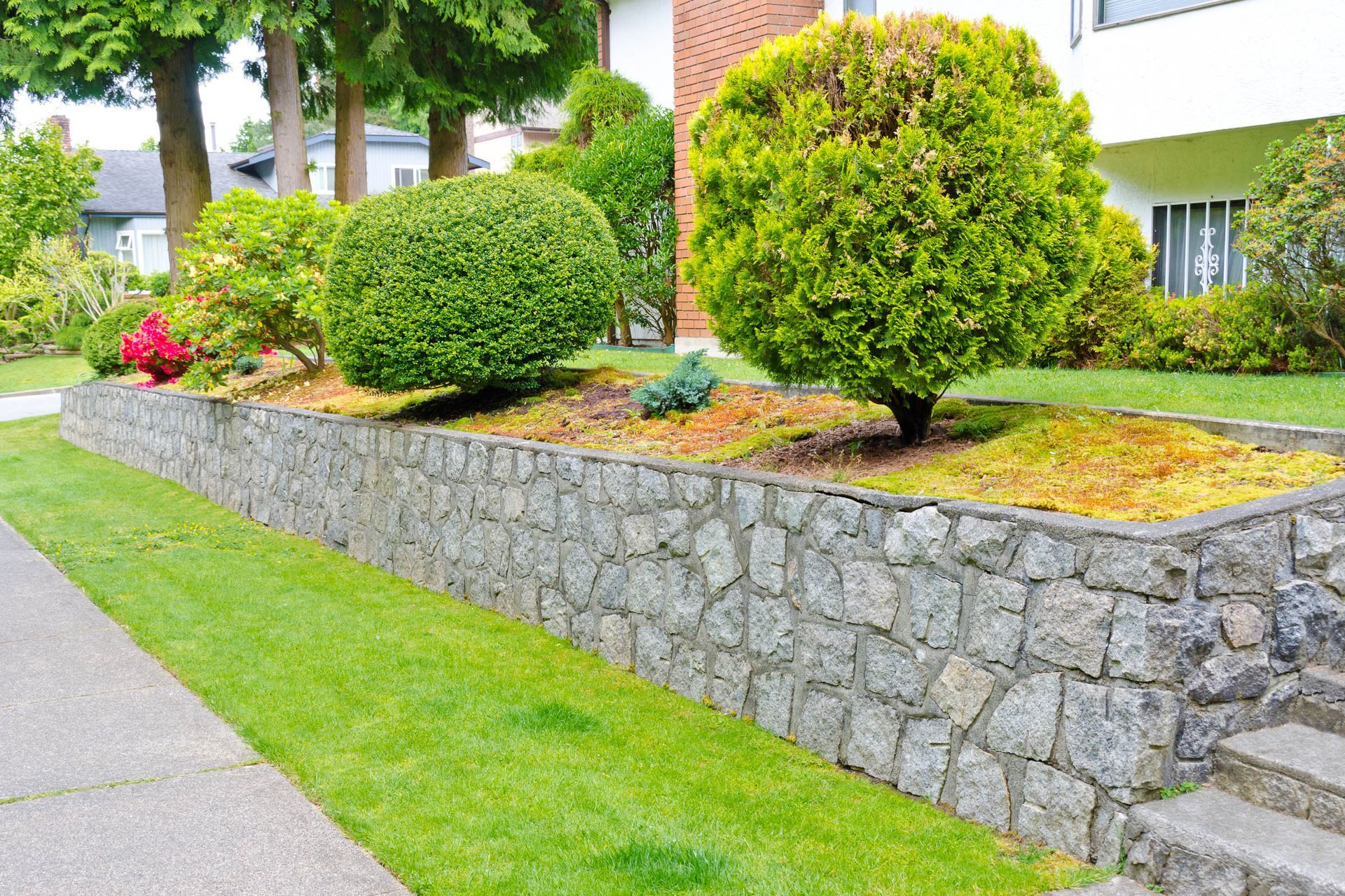
Retaining walls provide both structural and decorative benefits within landscapes. They are essential for managing sloped terrain, preventing soil erosion, and creating usable flat spaces for gardening or recreation. Well-crafted retaining walls also add architectural interest and definition to a property.
Ultimately, hardscaping offers homeowners an effective way to improve curb appeal, increase outdoor functionality, and potentially enhance property value. By selecting features that complement the home’s architecture, meet practical needs, and fit within a realistic budget, homeowners can create attractive, usable outdoor spaces that provide lasting benefits. Careful planning and thoughtful material selection help ensure that each hardscaping element contributes to a cohesive landscape that can be enjoyed for years to come. For
hardscaping services you can rely on, contact MasterStone Hardscapes LLC today.